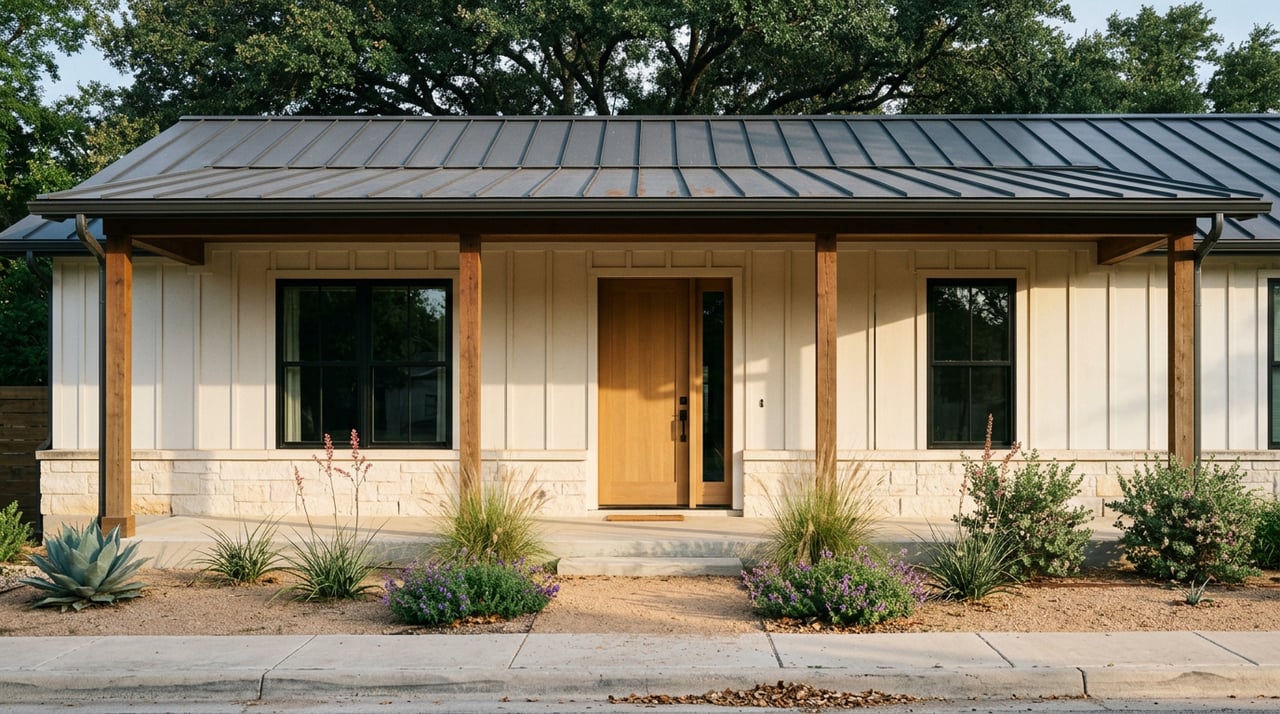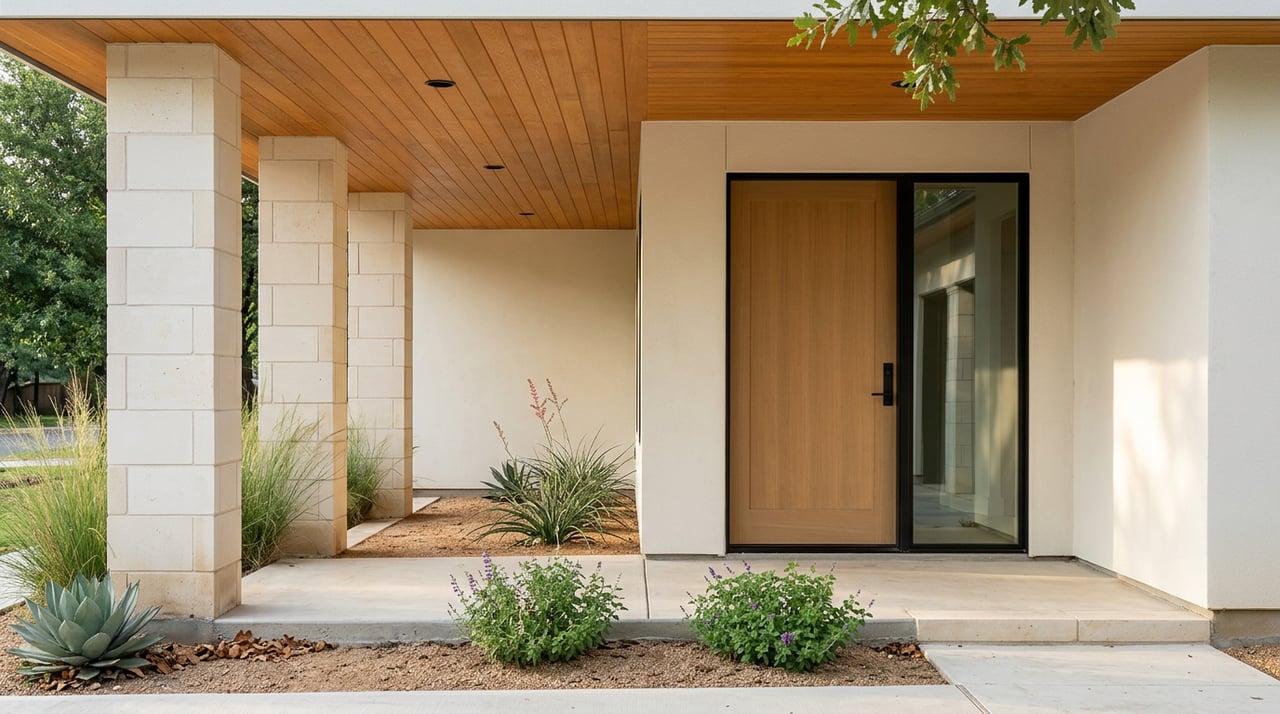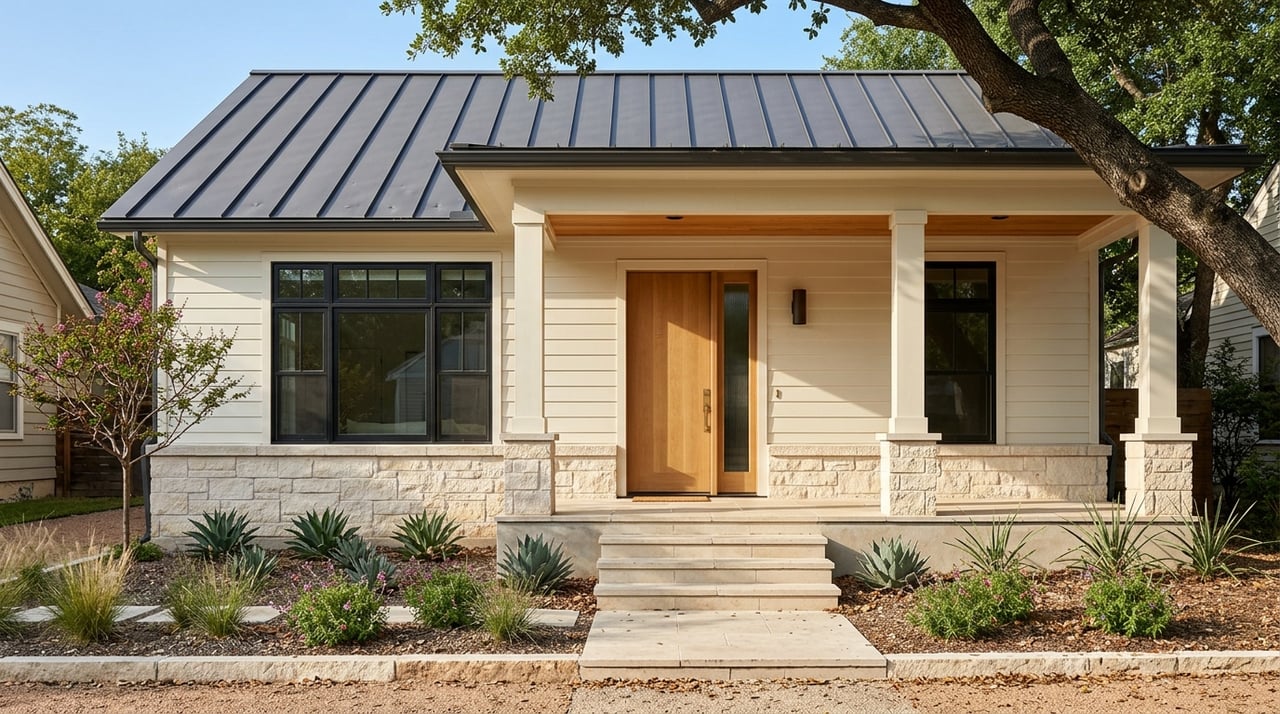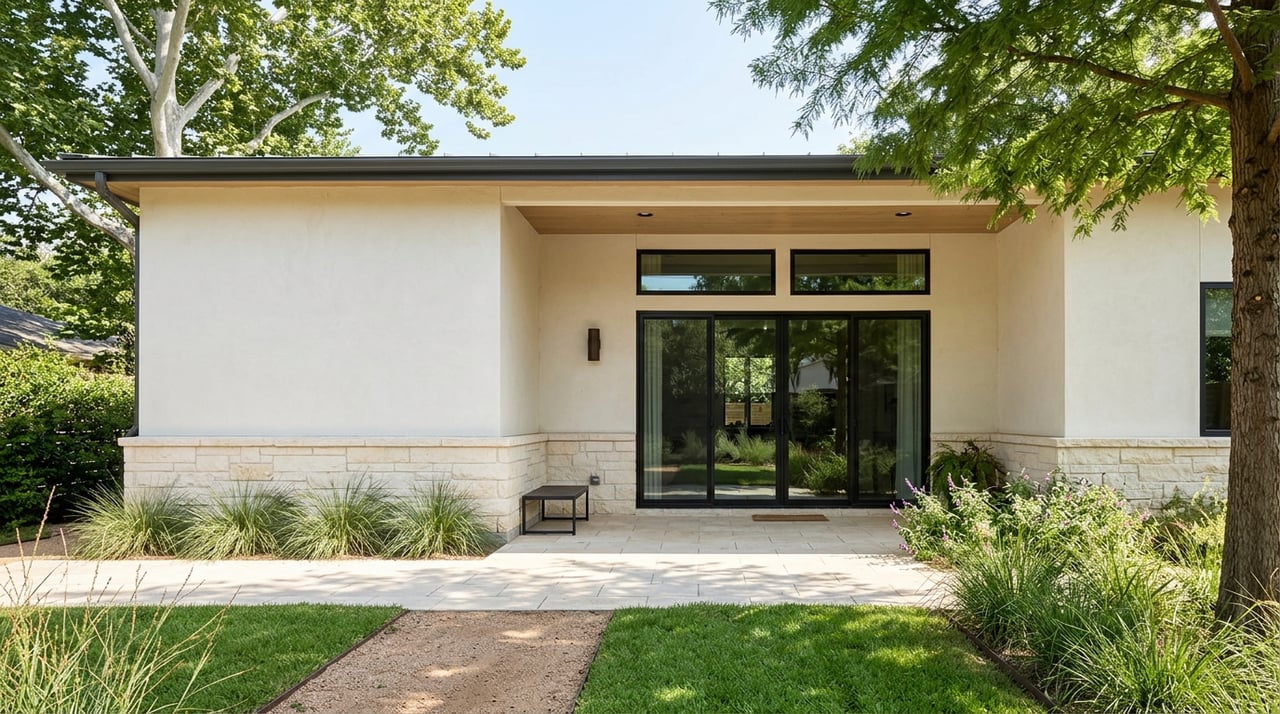
If you are drawn to the idea of Hill Country views, open space, and a small-town feel without giving up access to Austin, Dripping Springs likely keeps showing up on your list. That makes sense. Buyers are often looking for a place that balances daily convenience with room to breathe, and Dripping Springs offers a version of that lifestyle that feels distinct within the Austin area. In this guide, you will learn what makes the area appealing, what types of homes you can expect, and which practical details matter most before you buy. Let’s dive in.
Why Dripping Springs Stands Out
Dripping Springs is a gateway city in northern Hays County, just west of Austin. City materials place it about 25 minutes west of Austin and describe it as one of the fastest-growing cities in Texas while still holding onto an open-space, small-town feel.
That mix is a big part of the appeal. You are not just choosing a house here. You are choosing a setting shaped by parks, local events, outdoor recreation, and a more rural rhythm than many other Austin-area communities.
Another feature that gives the area a unique character is its designation as the first International Dark Sky Community in Texas. In everyday terms, that supports a darker nighttime environment and reflects the city’s focus on outdoor lighting guidance.
What Hill Country Living Feels Like
Hill Country living in Dripping Springs often means your day-to-day life extends beyond your home. City information highlights open spaces, parks, live music, and a strong brewery and winery scene as part of the local experience.
You also see that lifestyle in how the city’s amenities are built out. The parks department manages 571.29 acres of parkland serving about 25,000 residents in the city and ETJ, with current parks supporting hiking, running, dog walking, and designated horseback riding.
For many buyers, this matters as much as square footage. If you want easy access to trails, outdoor events, and a less crowded feel, Dripping Springs offers those lifestyle benefits in a very visible way.
Parks and Outdoor Access
Dripping Springs Ranch Park is one of the area’s major amenities. The city describes it as a 130-acre park and event center off Ranch Road 12 with equestrian facilities, 6.2 miles of multi-use trails, wildlife viewing, primitive camping, and annual festivals.
Other local parks add variety. Charro Ranch Park includes 64 acres of passive nature space, while Founders Memorial Park offers trails, athletic fields, a pool, and a playground.
The outdoor options also extend beyond city parks. Pedernales Falls State Park is about 13 miles southeast of Dripping Springs and offers camping, hiking, mountain biking, picnicking, bird watching, and horseback riding.
Downtown and Local Rhythm
Dripping Springs is not only about land and scenery. It also has a local routine that many buyers find appealing, especially if you want a community feel without a fully urban pace.
The city’s farmers market takes place on Wednesdays at Ranch Park. Downtown Mercer Street is known for restaurants, boutiques, galleries, an old-style dance hall, and year-round events.
That means your lifestyle decision may come down to more than commute time. You may be choosing between a place that feels built around local gathering spots and one that feels more suburban in a conventional sense.
What Buyers Should Know About Homes
One of the most important things to understand is that Dripping Springs is not a one-note housing market. According to the city’s 2040 comprehensive plan draft, the area has traditionally featured rural single-family homes on large lots or significant acreage, even as more master-planned developments have been added.
The same planning material notes that the city is now known for high-price luxury homes on mid- to large-sized lots. In practical terms, that creates a broad mix of options depending on how you want to live.
Some buyers want privacy, land, and separation from neighbors. Others want a newer neighborhood with shared amenities, trails, and a more structured community layout. Dripping Springs can offer both, but they are very different experiences.
Acreage vs. Master-Planned Living
If you are weighing your options, start by thinking about your lifestyle first. The right fit is not only about price or home size.
Here are a few questions worth asking yourself:
- Do you want more privacy and space, or do you prefer neighborhood amenities?
- How important is a shorter drive to downtown Dripping Springs or Austin?
- Would you rather maintain more land, or keep upkeep simpler?
- Do you want a home inside city limits, or are you open to areas in the ETJ?
Current communities help show that range. Caliterra is a master-planned community just off Highway 290 on Ranch Road 12, and Headwaters is another signature master-planned community in Dripping Springs with walking trails, parks, and preserved natural habitat.
City planning materials make it clear that long-term growth is being approached with an effort to preserve Hill Country character while still providing housing options that meet community needs. For you as a buyer, that means it is smart to compare neighborhoods based on setting, access, and property style rather than assuming every Dripping Springs address offers the same experience.
Key Practical Questions Before You Buy
When buyers start looking seriously in Dripping Springs, a few questions usually matter right away. These are not minor details. They can shape your budget, daily routine, and long-term satisfaction with the home.
How Far Is the Home From Austin?
City materials say Dripping Springs is about 25 minutes west of Austin. That gives you a useful big-picture reference, but your actual drive will depend on where the property sits and where you need to go regularly.
A home closer to key routes may feel very different from one deeper into a rural setting. If commuting or frequent trips into Austin are part of your plan, location within the Dripping Springs area matters a lot.
Which School Attendance Zone Applies?
Dripping Springs ISD spans 198 square miles, includes a small portion of Travis County, and enrolls about 8,800 students. The district operates nine schools, including six elementary schools, two middle schools, and one high school.
The current campuses include Cypress Springs, Dripping Springs, Rooster Springs, Sycamore Springs, Walnut Springs, and Wildwood Springs elementary schools, along with Dripping Springs Middle School, Sycamore Springs Middle School, and Dripping Springs High School.
Just as important, attendance is address-specific. Buyers should verify school assignment by street address instead of assuming every Dripping Springs home is assigned to the same campuses.
Is the Property in City Limits or the ETJ?
This is one of the most important local questions, especially in an area where growth and land use vary from one property to another. The research materials identify this as a central distinction for buyers in Dripping Springs.
If you are comparing homes, make sure you understand whether a property is inside the city limits or in the ETJ. That distinction can affect how you think about the location, surrounding development pattern, and overall feel of the property.
What Kind of Daily Lifestyle Do You Want?
This may be the most useful question of all. Dripping Springs offers a blend of acreage properties, newer planned neighborhoods, and a landscape-driven identity.
So before you focus only on finishes or list price, think about what you want your week to look like. You may value trail access, farmers market visits, and nearby events. Or you may want land, privacy, and a quieter setting with more separation.
Schools and Long-Term Planning
For many buyers, schools are part of the bigger picture, even if they are not the only factor in the decision. Dripping Springs ISD says Dripping Springs High School offers dual credit and dual enrollment options, including classes co-taught with the University of Texas.
The district also states that three campuses earned A ratings in the 2025 TEA accountability results and that all eight campuses scored at least 87. Still, because school assignment depends on address, it is important to confirm zoning early in your search if that is part of your decision-making process.
Is Dripping Springs Right for You?
Dripping Springs can be a strong fit if you want Hill Country character, meaningful outdoor access, and a housing mix that ranges from acreage homes to amenity-rich planned communities. It can also work well if you want to stay connected to Austin while living in a setting that feels more open and less urban.
The key is knowing what version of Dripping Springs fits you best. Not every home offers the same commute pattern, school assignment, lot size, or neighborhood setup. A clear plan can help you narrow your search faster and avoid choosing a home that looks good online but does not match how you want to live.
If you are thinking about buying in Dripping Springs, working with a team that knows the Austin metro and Hays County market can make the process much easier. KHG Development Corp, DBA The Kelvin Glover Team can help you compare neighborhoods, understand your options, and move forward with confidence.
FAQs
What is Dripping Springs known for in the Austin area?
- Dripping Springs is known as a Hill Country gateway city west of Austin with open spaces, parks, live music, a local brewery and winery scene, and a small-town feel.
What types of homes can buyers find in Dripping Springs?
- Buyers can find a mix of rural single-family homes on large lots or acreage, newer master-planned communities, and higher-price luxury homes on mid- to large-sized lots.
What parks and outdoor amenities are available in Dripping Springs?
- Local options include Dripping Springs Ranch Park, Charro Ranch Park, and Founders Memorial Park, and nearby Pedernales Falls State Park adds more opportunities for hiking, camping, biking, and horseback riding.
What should buyers know about Dripping Springs ISD attendance zones?
- Dripping Springs ISD attendance zones are address-specific, so you should verify school assignment by street address instead of assuming all homes feed the same campuses.
What practical questions should buyers ask about a Dripping Springs home?
- Buyers should ask how far the property is from Austin, whether it is inside city limits or the ETJ, which school zone applies, and whether the home’s setting matches their preference for acreage or planned-community living.