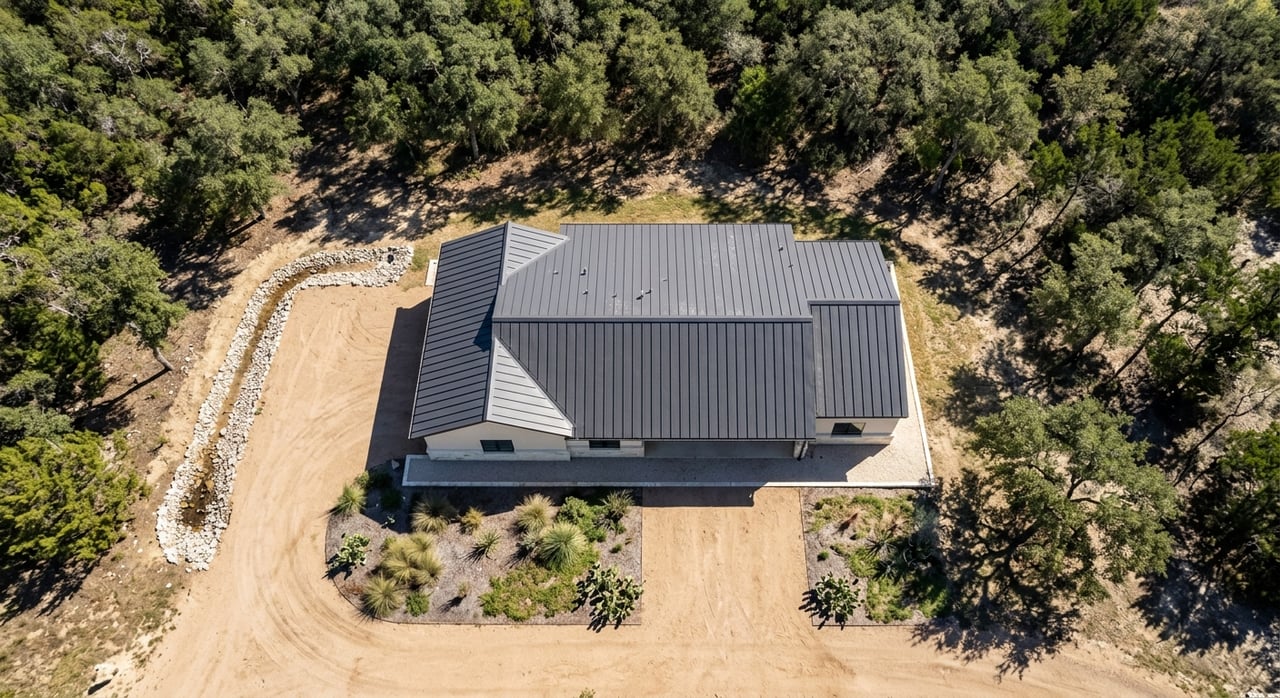
Thinking about buying land in Bastrop? It can be an exciting move, especially if you want more space, more flexibility, or a long-term investment east of Austin. But raw land and acreage come with a very different set of questions than buying an existing home. If you understand the biggest rewards and the most common risks before you buy, you can make a more confident decision. Let’s dive in.
Why Bastrop Acreage Gets Attention
Bastrop County has seen strong growth in recent years. The county’s population rose from 97,216 in the 2020 Census to an estimated 114,931 in 2024, which is an 18.2% increase. That kind of growth matters because it can increase demand for land, housing, roads, and services over time.
Bastrop County has also adopted a 2023 transportation plan with a 25-year outlook to prepare for future growth and development. For buyers, that helps explain why land in and around Bastrop draws interest from people looking for room to build, hold property, or create a rural residential setup with access to the broader Austin metro.
Property value trends also point to ongoing land demand. According to Bastrop Central Appraisal District, total land value in the county rose from $1.99 billion in 2023 certified values to $2.15 billion in 2024 certified values, then to $2.18 billion in 2025 preliminary values. That does not predict what any one tract will do, but it does show overall pressure on land values.
Key Rewards of Buying Land in Bastrop
Flexible land use options
One of the biggest benefits of Bastrop acreage is flexibility. Depending on the parcel and where it sits, land may be used for a custom home, rural residential living, ranching, or recreation. That broader range of possibilities is often what attracts buyers who want something beyond a traditional subdivision lot.
Inside the City of Bastrop, zoning helps define what may be allowed on a property. The city’s development code includes districts such as RR, which is designed for very low-density residential and agricultural uses with a minimum lot size of 1 acre, and P/OS, which is intended for natural areas, greenways, floodplains, parks, and recreation. That means the parcel’s location and zoning matter from day one.
Room to build your vision
Acreage can give you options that are hard to find on a standard homesite. You may have more room for a custom layout, outdoor living, storage buildings, agricultural activity, or recreational use, depending on local rules and site conditions. That extra room is a major draw for buyers who value privacy, flexibility, and long-term planning.
The key is to confirm what is truly possible before you close. A tract that looks open and usable may still face zoning, setback, access, or utility limitations that affect your plans.
Potential tax advantages on qualifying land
Some Bastrop-area parcels may qualify for productivity-based taxation if they meet rules for open-space, wildlife management, or timber use. Bastrop Central Appraisal District notes that qualified 1-d-1 land is treated differently from standard market-value appraisal. For the right buyer, that can be an important financial benefit.
Still, you should never assume a property will keep that valuation after a sale. Eligibility depends on local appraisal rules and the actual use of the land, so this is one of the first items to verify during due diligence.
Key Risks of Buying Land in Bastrop
Zoning and jurisdiction can change the whole deal
The first question to ask is whether the property is inside Bastrop city limits or in unincorporated Bastrop County. That single detail affects which rules apply to zoning, subdivision, utilities, and development. Two parcels that look similar online can come with very different requirements.
Inside the city, the current development code and official zoning map guide what can be built and how the land can be used. If a buyer runs into a zoning issue, the City of Bastrop’s Zoning Board of Adjustment may hear appeals and consider variances in appropriate cases. This matters because some buyers only discover design or use restrictions after they begin planning a homesite or additional structures.
Outside city limits, Bastrop County subdivision regulations become a major factor. The county’s rules address subdivision and platting, public safety, roads, drainage, and emergency access. Even exempt subdivisions still need to meet requirements tied to public road access, 911 addressing, driveway rules, onsite sewage facilities, and floodplain permits.
Utilities may be less simple than they look
One of the most common land-buying mistakes is assuming utilities will be easy to connect. In the City of Bastrop, new projects may require coordination with Development Services, Water & Wastewater, and Bastrop Power & Light. The city also requires a utility application with supporting identification and proof of ownership or lease.
That is why utility research should happen early. A parcel with road frontage and attractive views may still involve significant work or expense to secure water, wastewater, or electric service.
Septic rules can affect what you build
If city sewer is not available, Bastrop County’s onsite sewage facility rules apply. The county states that all septic installation or modification requires a permit, regardless of acreage. That surprises some buyers who assume larger tracts automatically make septic approval simple.
Lot size also matters. For single-family lots using individual OSSF systems, the county requires at least 1/2 acre if the lot is served by public water, or 1 acre if it is not served by a public water system. There are also setback requirements from property lines, wells, buildings, easements, and bodies of water, which can affect where a home and septic system can actually go.
Access can create unexpected costs
Access is not just about whether you can physically reach the property. You also need to understand whether the parcel has legal road access and what it will take to create a usable driveway. In Bastrop County, a driveway permit is required for driveways on county-maintained roads and WCID#2 roads, and work cannot begin in the county right of way until the permit is issued and posted.
The county also reviews driveway location, drainage, and culvert needs. On some acreage tracts, that means your driveway is not a minor detail. It can become a real design and cost item.
Floodplain exposure is parcel-specific
Flood risk is one of the biggest reasons land buyers should avoid assumptions. Bastrop County requires a development permit for all development in unincorporated areas, and the permit type depends on whether a property is outside the mapped 100-year floodplain, within it, or partially or wholly within it. If you plan to build in a floodplain, the county says a surveyor must certify the project, and residential development may require an elevation certificate.
Even land in Zone X should not be treated as risk-free. The county notes that these areas can still flood during severe rain or poor drainage events. That makes floodplain review an essential part of your land-buying process, not just a box to check at the end.
There is also an insurance angle. Bastrop County emergency guidance states that standard homeowners insurance does not cover flood loss, and flood insurance can generally be purchased whether a structure is inside or outside an identified floodplain. The county also notes that there is generally a 30-day waiting period before coverage takes effect.
Wildfire risk is especially important in Bastrop
Wildfire is not a minor issue in this market. Bastrop County states that the Bastrop County Complex fire, which began on September 4, 2011, was the most destructive wildfire in Texas history, destroying more than 1,600 homes and killing two people. That history should be part of your decision-making if you are considering wooded acreage or land near the wildland-urban interface.
Texas A&M Forest Service notes that rapid population growth into these areas increases wildfire risk. County guidance highlights practical steps such as maintaining visible 911 address signs, creating a 30-foot defensible space, making sure there is water access for fire suppression, following burn-ban rules, and having an evacuation plan. If you are buying acreage in Bastrop, wildfire risk deserves the same level of attention as utilities and floodplain review.
A Smart Due Diligence Checklist
Before you buy land or acreage in Bastrop, slow the process down enough to get clear answers. Land purchases are often more parcel-specific than buying an existing suburban home. A careful review up front can help you avoid expensive surprises later.
Here are some of the most important questions to ask:
- Is the parcel inside Bastrop city limits or in unincorporated Bastrop County?
- What zoning or subdivision rules apply to the property?
- What uses are allowed on the parcel today?
- Will you need city water and wastewater, or will the property require well and septic planning?
- Is there legal road access?
- Will a driveway permit or culvert work be required?
- Is any part of the tract located in a floodplain?
- Does the property face notable wildfire exposure?
- Does the land currently have agricultural, wildlife, or timber valuation, and what is required to maintain it?
Why Local Guidance Matters
Buying land in Bastrop can be rewarding, but it usually involves more moving parts than a typical home purchase. Questions about zoning, utilities, access, floodplain status, septic rules, and tax treatment all need to be answered at the parcel level. That is why many buyers benefit from a well-coordinated process with the right professionals involved early.
At The Kelvin Glover Team, we believe every client deserves clear guidance, steady communication, and a process that helps reduce risk. If you are exploring land or acreage in Bastrop and want help thinking through the next steps, connect with KHG Development Corp, DBA The Kelvin Glover Team.
FAQs
What makes buying land in Bastrop different from buying an existing home?
- Buying land in Bastrop often requires extra research into zoning, subdivision rules, utilities, septic requirements, access, floodplain status, and wildfire exposure before you can know how build-ready the property really is.
What should you check before buying acreage in Bastrop County?
- You should confirm whether the property is in the city or county, review allowed uses, verify utility options, check legal access and driveway permit needs, identify floodplain issues, assess wildfire exposure, and review any special land valuation status.
What are the septic lot size rules for Bastrop County land?
- Bastrop County states that single-family lots using individual OSSF systems must be at least 1/2 acre if served by public water or 1 acre if not served by a public water system, and septic installation or modification requires a permit.
What floodplain risks should Bastrop land buyers know?
- Bastrop County requires development permits based on floodplain location, and even areas outside the mapped 100-year floodplain can still face flooding during severe rain or poor drainage events.
Why is wildfire risk important when buying acreage in Bastrop?
- Wildfire risk is significant in Bastrop due to the area’s history and the spread of development into wildland-urban interface areas, so buyers should review mitigation needs such as defensible space, water access, address visibility, and evacuation planning.