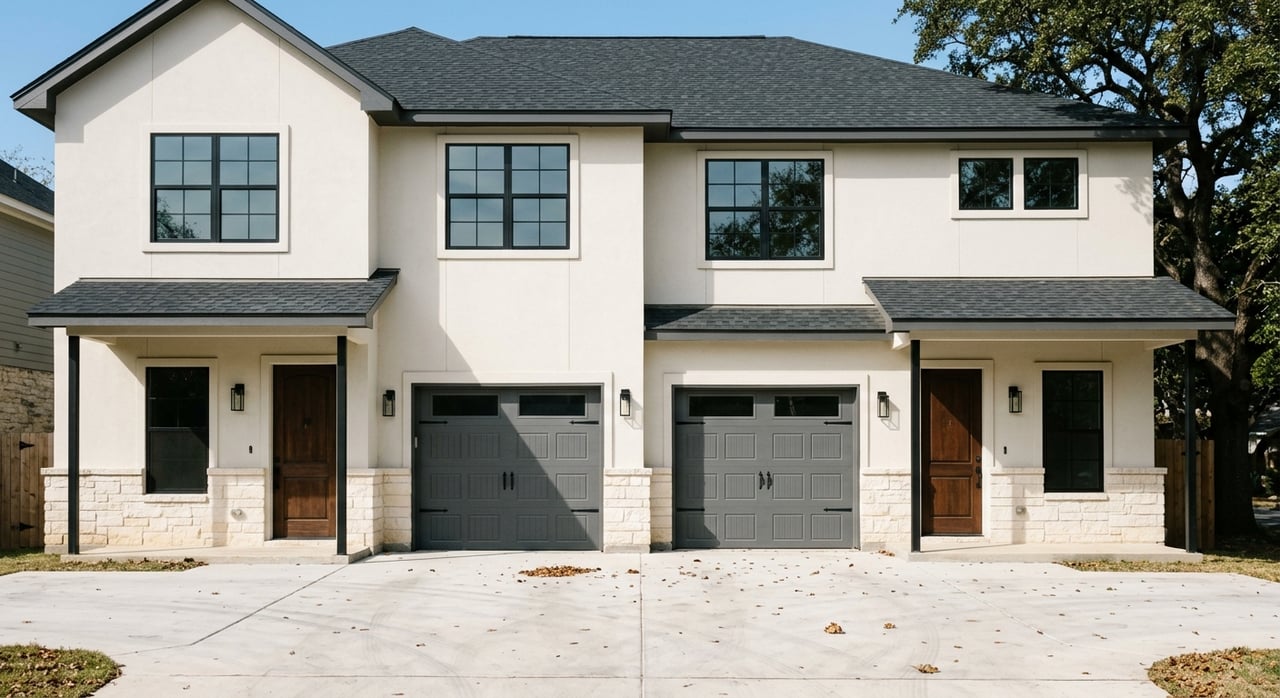
Thinking about buying a rental in Hutto? The opportunity is real, but so is the need for careful math. If you are a small landlord or first-time investor, you need more than a headline about growth. You need a clear picture of rents, vacancy, property types, and what the numbers may look like before you make a move. Let’s dive in.
Why Hutto Gets Investor Attention
Hutto sits in a fast-growing part of the Austin metro, and that matters when you are evaluating long-term rental demand. The U.S. Census estimates Hutto’s 2024 population at 42,661, which is up 54.6% from 2020. That kind of growth puts the city on many investors’ radar.
The same Census data shows 11,778 households, an owner-occupied housing unit rate of 79.6%, and a median household income of $118,834. In simple terms, Hutto is still a mostly owner-occupied suburb with solid household income levels. That can support rental demand, but it also means you are not buying into a renter-heavy urban market.
The broader Williamson County economy adds more context. HUD reported an estimated county population of 760,200 as of January 1, 2026, with 282,200 households, resident employment of 405,900 in the three months ending November 2025, and unemployment at 3.8%. For you as a landlord, that suggests Hutto benefits from a larger regional growth corridor, not just local demand.
Hutto Rent Trends to Know
One of the biggest mistakes small landlords make is relying on a single rent number. In Hutto, public rent figures vary depending on the source and how the number is measured. That is why it makes more sense to work with a range.
Census QuickFacts reports a median gross rent of $2,255 for 2020 through 2024. Zillow Rental Manager showed an average asking rent of $2,100 in Hutto as of May 8, 2026. Zillow’s separate ZORI market page listed an average rent of $1,685 as of March 31, 2026.
Those numbers are not direct apples-to-apples comparisons. Census itself notes that estimates from different sources are not directly comparable, and Zillow’s ZORI is different from current advertised asking rents. For your planning, the key takeaway is simple: treat Hutto rent data as a range, not a guarantee.
Here is the current asking rent snapshot from Zillow Rental Manager:
- Studio: $1,158
- 1 bedroom: $1,194
- 2 bedroom: $1,637
- 3 bedroom: $2,000
- 4 bedroom: $2,598
That spread matters if you are choosing between a smaller attached home, a standard single-family rental, or a larger property aimed at households needing more space. Your exact rent potential will depend on the home’s size, condition, location within Hutto, and competing inventory.
Vacancy Matters More Than Many Landlords Expect
Strong rent figures can look great on paper, but vacancy can quickly change your results. The best official local proxy in the research is at the county level, not the city level. HUD said Williamson County’s overall rental market was 13.8% vacant as of April 2025 and described it as soft.
HUD also reported the apartment market at 13.8% vacant, down from 17.4% a year earlier, with average effective apartment rent at $1,435, down 6% year over year. That tells you there is competition in the market. It also means you should be cautious about assuming fast lease-up at your ideal rent.
At the same time, HUD noted that 34% of occupied renters in Williamson County live in single-family attached or detached homes. That is important if you are considering a house or townhome instead of a traditional apartment-style property. There is real demand for rental homes, but you still need to underwrite with a vacancy reserve.
What Small Landlords Usually Buy in Hutto
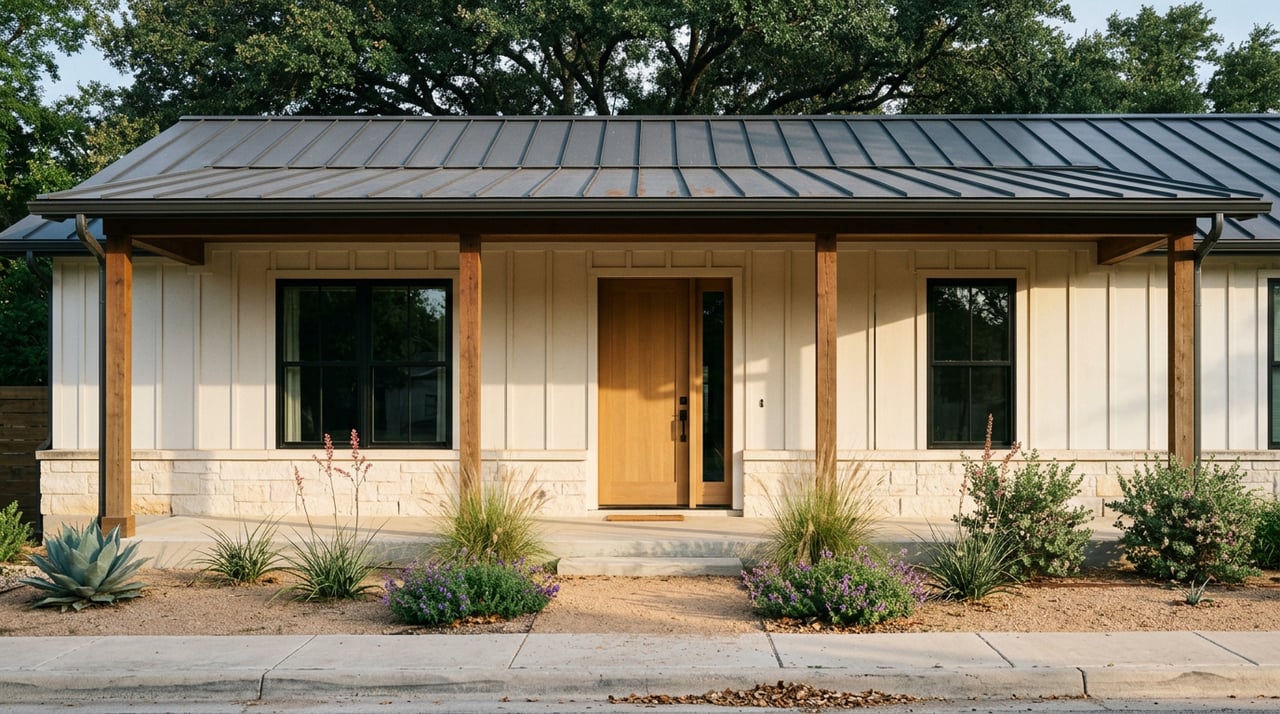
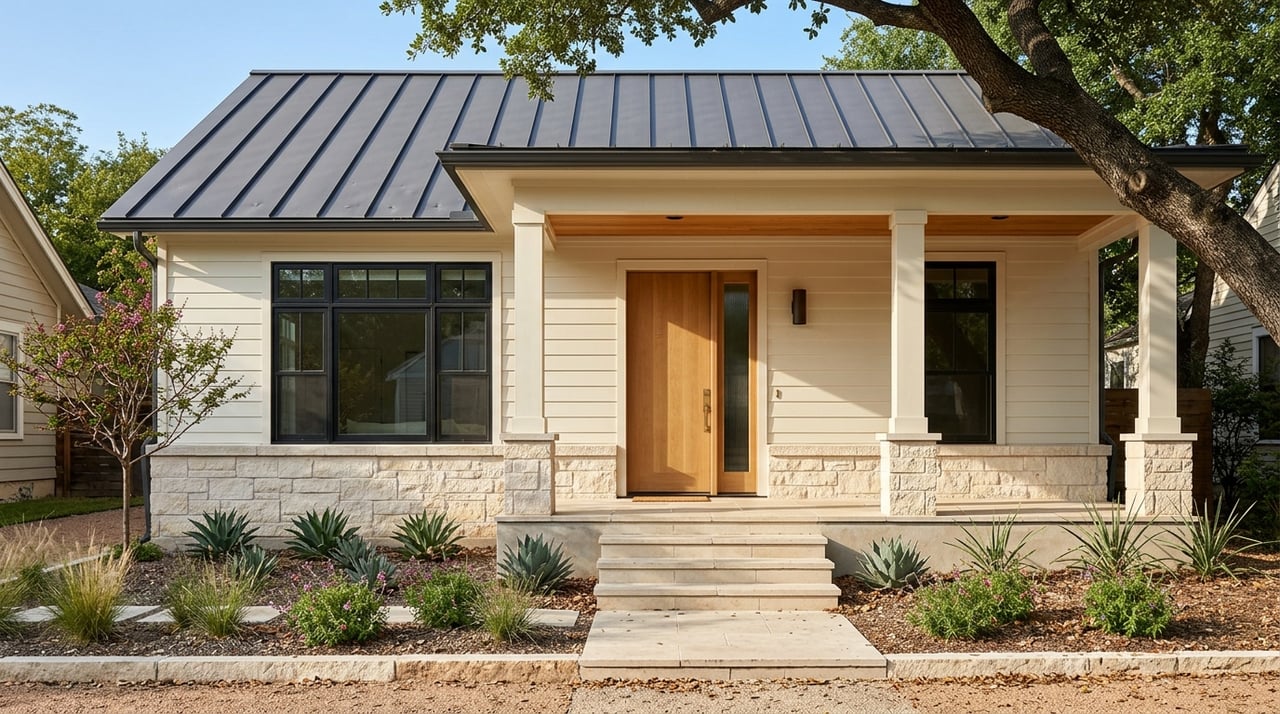
If you are trying to match your investment strategy to the local housing stock, Hutto has a pretty clear profile. The city’s Hutto 2040 plan says single-family detached homes made up more than 98% of the housing stock in its benchmark data. It also said roughly 90% of housing units had three to four bedrooms.
That helps explain why many small investors in Hutto start by looking at detached homes. The local housing base has historically been built around that product type. If you want a rental that lines up with the city’s established inventory, a single-family house will often be the first place to look.
That said, Hutto’s housing mix is evolving. The Hutto Economic Development Corporation reported that 1,012 new homes were added in 2024 and says current housing options include single-family homes, luxury townhomes, and multifamily apartments.
For you, that means Hutto is still primarily a single-family suburb, but attached housing and multifamily options are becoming a bigger part of the mix. Depending on your budget and management style, that opens the door to comparing a detached rental house against a townhome or a small multifamily opportunity when inventory allows.
Simple Hutto Cash-Flow Math
Before you buy, it helps to use a simple formula:
Gross rent - vacancy reserve - property taxes - insurance - maintenance/capex reserve - HOA or management fees - debt service = cash flow
This matters in Texas because property taxes are a major line item. Williamson County says property tax is calculated as tax rate times taxable value divided by 100. The Williamson Central Appraisal District handles appraisals and exemptions, and the City of Hutto says its FY2026 property tax rate is $0.385928 per $100 of assessed value.
That city rate is split between $0.273849 for operations and $0.133632 for debt service. Keep in mind that city tax is only one part of your total property tax picture. It is not your full annual tax burden.
A Basic Example Using Current Hutto Data
Using Zillow’s Hutto snapshot, an average asking rent of $2,100 per month produces annual gross rent of $25,200. Zillow’s current Hutto home value index is $338,960. That creates a gross rent-to-value ratio of about 7.43% before expenses.
If you reserve 5% for vacancy and subtract only the city tax portion, the ratio falls to about 6.68% before insurance, repairs, HOA dues, management, reserves, or mortgage payments. That is a useful reality check. It shows how quickly the headline number drops once you start adding real operating assumptions.
The Census data tells a similar story. Using the Census median gross rent of $2,255 and the Census median owner-occupied home value of $365,700, the gross rent-to-value ratio is about 7.40%. After a 5% vacancy reserve and the city tax portion only, it drops to about 6.64% before the rest of your costs.
A fair takeaway is this: in Hutto, rent-to-value may begin in the mid-7% gross range, but that is only the starting point. Your actual cash flow depends on vacancy, taxes, insurance, maintenance, fees, and financing.
Why Tax Timing Should Be in Your Plan
Texas landlords should pay close attention to tax timing, especially if you are managing a small portfolio or buying your first rental. Williamson County says tax bills are collected by the county and billed in October. Penalties and interest begin after February 1.
That means you should not think about property taxes as a once-a-year surprise. Build them into your monthly reserves or escrow planning from day one. If you skip that step, your cash flow can feel fine most of the year and then get squeezed when the bill comes due.
How to Underwrite More Carefully in Hutto
If you want a safer way to evaluate a Hutto investment property, focus on conservative assumptions. That does not mean avoiding the market. It means making room in your numbers for real-world friction.
Here are a few practical underwriting habits to use:
- Use a rent range instead of one top-end estimate
- Include a vacancy reserve, even if the home looks easy to lease
- Separate city tax from your full tax obligation
- Budget for maintenance and capital expenses
- Account for HOA dues if the property is in a managed community
- Avoid assuming immediate lease-up at your target rent
This approach can help you compare properties more clearly. It can also help you avoid buying something that only works on paper.
How a Team-Based Brokerage Can Help
If you are a small landlord, the right support can make a big difference before and after closing. The Kelvin Glover Team’s published service paths include buying, selling, and leasing, and the team structure includes a team lead, operations manager, buyer’s agent, showing agent, and team concierge.
For you, that kind of structure can be valuable because investing is rarely just about the purchase. You may need help identifying the right property type, reviewing pricing against current rental comps, coordinating showings, managing transaction details, and thinking through whether a property makes more sense as a hold or a future sale.
That is especially helpful in a market like Hutto, where the opportunity is tied to growth but the numbers still require discipline. A team-based process can help you move with better information and fewer surprises.
If you are exploring Hutto as a place to buy your first rental or grow a small portfolio, working with a local team can help you match the property to your goals, your timeline, and your risk tolerance. To start that conversation, connect with KHG Development Corp, DBA The Kelvin Glover Team.
FAQs
What makes Hutto appealing for small landlords?
- Hutto combines fast population growth, a largely owner-occupied housing base, and a location within the larger Williamson County and Austin-area growth corridor, which can support rental demand over time.
What rent should landlords expect in Hutto?
- Public data shows a range rather than one single answer, with Census reporting median gross rent at $2,255 and Zillow Rental Manager showing average asking rent at $2,100 as of May 8, 2026.
What property types are most common for investors in Hutto?
- Hutto has historically been dominated by single-family detached homes, though townhomes and multifamily options are becoming more common in the local housing mix.
How should small landlords estimate Hutto cash flow?
- Start with gross rent and subtract a vacancy reserve, property taxes, insurance, maintenance and capital reserves, HOA or management fees, and debt service to estimate likely cash flow.
What should landlords know about Hutto property taxes?
- Williamson County bills property taxes in October, and penalties and interest begin after February 1, so monthly tax reserves are an important part of responsible underwriting.
Can a real estate team help with Hutto rental property decisions?
- Yes, a team with buying, selling, and leasing support can help you compare property types, review rental pricing, coordinate showings and paperwork, and think through long-term hold versus sell decisions.