Looking for a place where you can put down roots, enjoy everyday convenience, and have plenty to do close to home? Cedar Park stands out for many buyers who want a suburban setting with strong amenities, a wide range of housing options, and easy access to the greater Austin area. If you are weighing a move here, this guide will help you understand how schools, parks, and neighborhoods fit together so you can make a more confident decision. Let’s dive in.
Why Cedar Park Appeals to Families
Cedar Park sits on the north edge of Austin, about 17 miles from downtown, which makes it a practical option if you want suburban space without feeling too far removed from the city. According to the City of Cedar Park, the community includes 46 city-maintained parks, about 1,000 acres of parkland, and 34 miles of trails.
That outdoor network is a big reason Cedar Park continues to attract households looking for room to spread out and ways to stay active. Census QuickFacts also shows a 2024 population estimate of 78,380, with 25.7% of residents under 18 and 66.7% of homes owner-occupied.
Those numbers point to a mature suburban market with an established homeowner base. The same Census data lists a median owner-occupied home value of $513,600 and a median household income of $129,545, which gives you a useful snapshot of the market’s overall profile.
Cedar Park Schools by Address
One of the most important things to know is that Cedar Park is not a one-district city. School assignment can vary depending on the neighborhood and exact property address, so it is smart to verify zoning early in your search.
Leander ISD serves parts of Cedar Park and reports more than 42,000 students across 49 campuses in an area spanning nearly 200 square miles. The district’s Cedar Park-area campuses include Cox, Cypress, Deer Creek, Faubion, Giddens, Knowles, Mason, Naumann, Reagan, Reed, Westside, Cedar Park Middle, and other nearby schools.
At the same time, some Cedar Park neighborhoods fall into other districts. For example, Forest Oaks points residents to Leander ISD campuses, while Walsh Trails notes that it is in Round Rock ISD.
That is why broad assumptions can be risky. Leander ISD says attendance maps are approximate and recommends confirming school information through the county appraisal district property search, so if schools are a major part of your move, verify them before you make an offer.
Parks Make Everyday Life Easier
For many buyers, the biggest lifestyle advantage in Cedar Park is how easy it is to find parks, trails, and recreation close to home. The city’s park system gives you options for everything from quick after-school outings to full weekend activity days.
Brushy Creek Sports Park is a standout if you want multi-use sports space. It includes baseball and softball fields, soccer fields, a basketball court, disc golf, a skate park, a playscape, and trails.
Bell Park offers a different kind of experience with a playscape, picnic areas, fishing, a rentable pavilion, and a trail near the Cedar Park Public Library. If you want a simple place to relax, meet friends, or enjoy a casual afternoon outdoors, it is a helpful local option.
Lakeline Park is one of the city’s most versatile outdoor destinations. It features a 2.5-mile loop, a universal playground, a fishing pier, a kayak launch, sports fields, and extensive trails.
Water amenities also play a big role in Cedar Park’s appeal during warmer months. Milburn Park includes a 4,500-square-foot aquatics facility, while Veterans Memorial Park has an 8,500-square-foot outdoor aquatic facility with a zero-depth beach area, lap lanes, a dive platform, a drop slide, a water playscape, and a five-acre dog park.
Recreation Beyond the Parks
Cedar Park’s family-oriented amenities go beyond playgrounds and green space. The Cedar Park Recreation Center is a 47,500-square-foot facility with gymnasiums, fitness rooms, an elevated walking and jogging track, arts-and-crafts space, and child care for ages 6 months to 6 years.
The city also offers youth programming that includes STEAM activities, athletics, music and movement classes, cricket, homeschool tennis, and a speech and leadership club. These programs can add flexibility to your weekly routine, especially if you want structured activities close to home.
The Cedar Park Public Library is another everyday resource many buyers appreciate, especially those with younger children. Its catalog includes Early Kids and Kids collections, making it a practical stop for reading, learning, and regular library visits.
For larger events, the city-owned H-E-B Center at Cedar Park seats up to 8,700 people and hosts more than 130 events each year. That gives you a nearby option for entertainment without always needing to head into Austin.
What Homes Look Like in Cedar Park
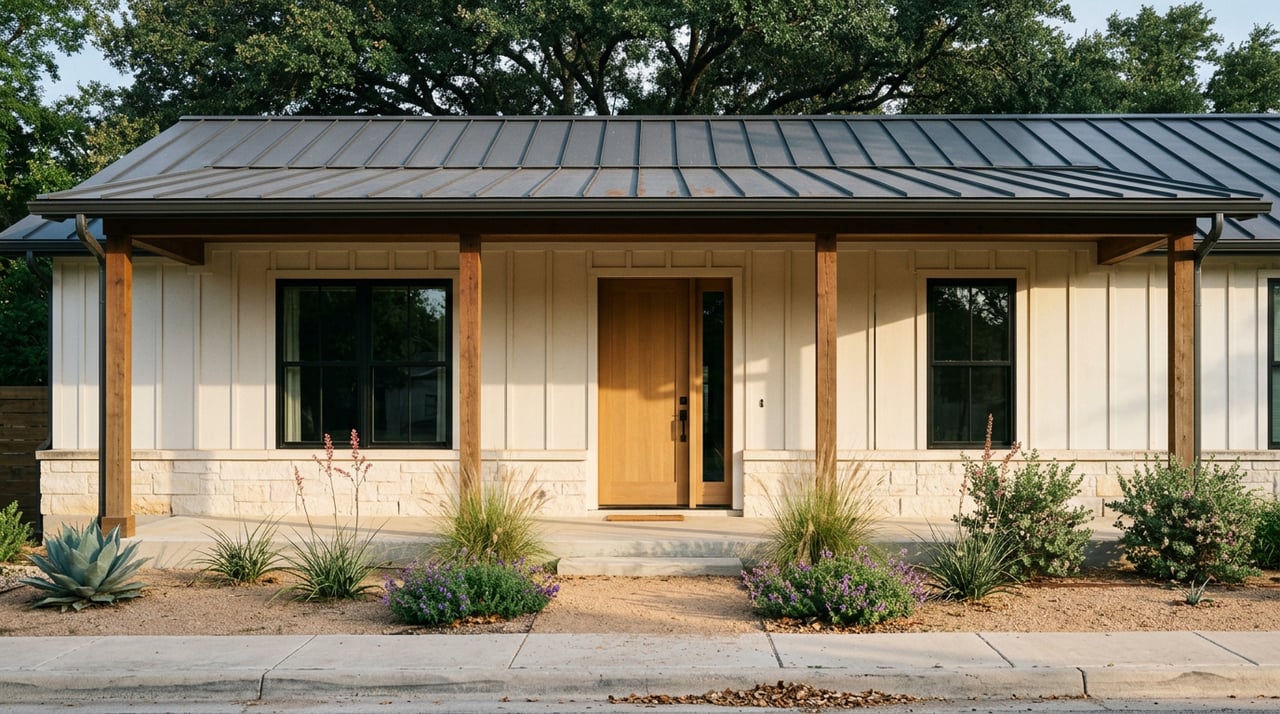
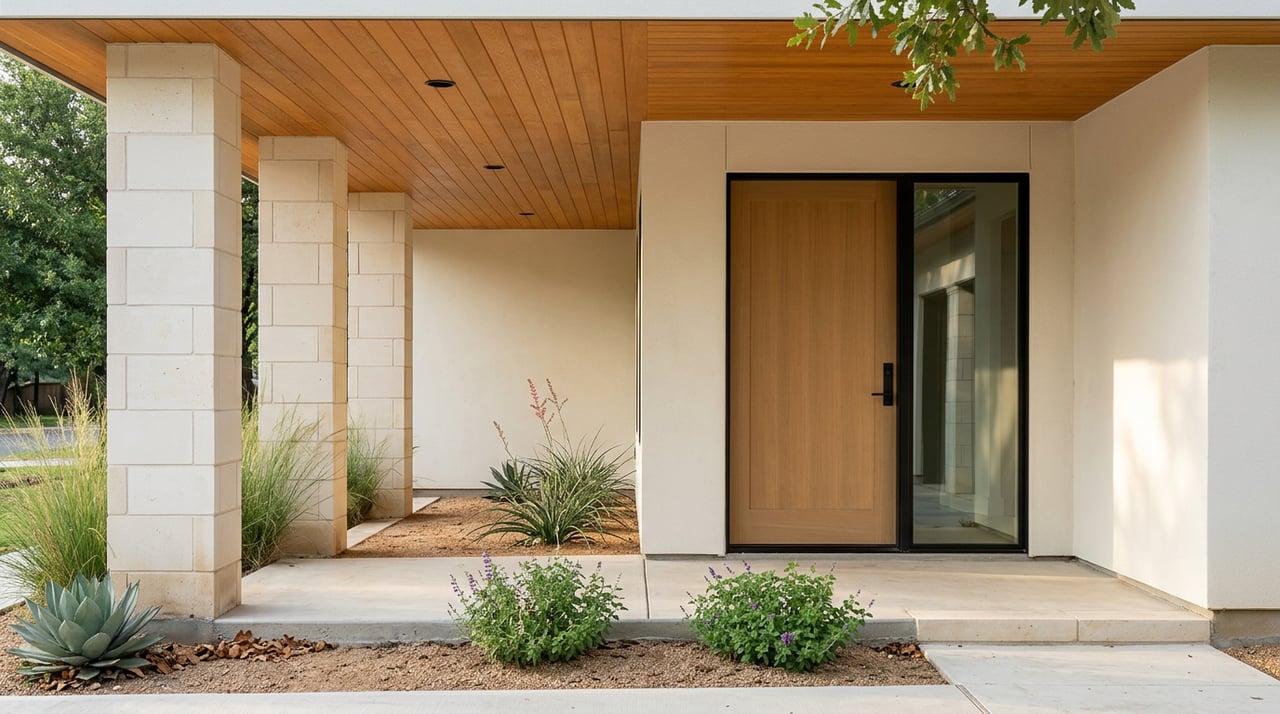
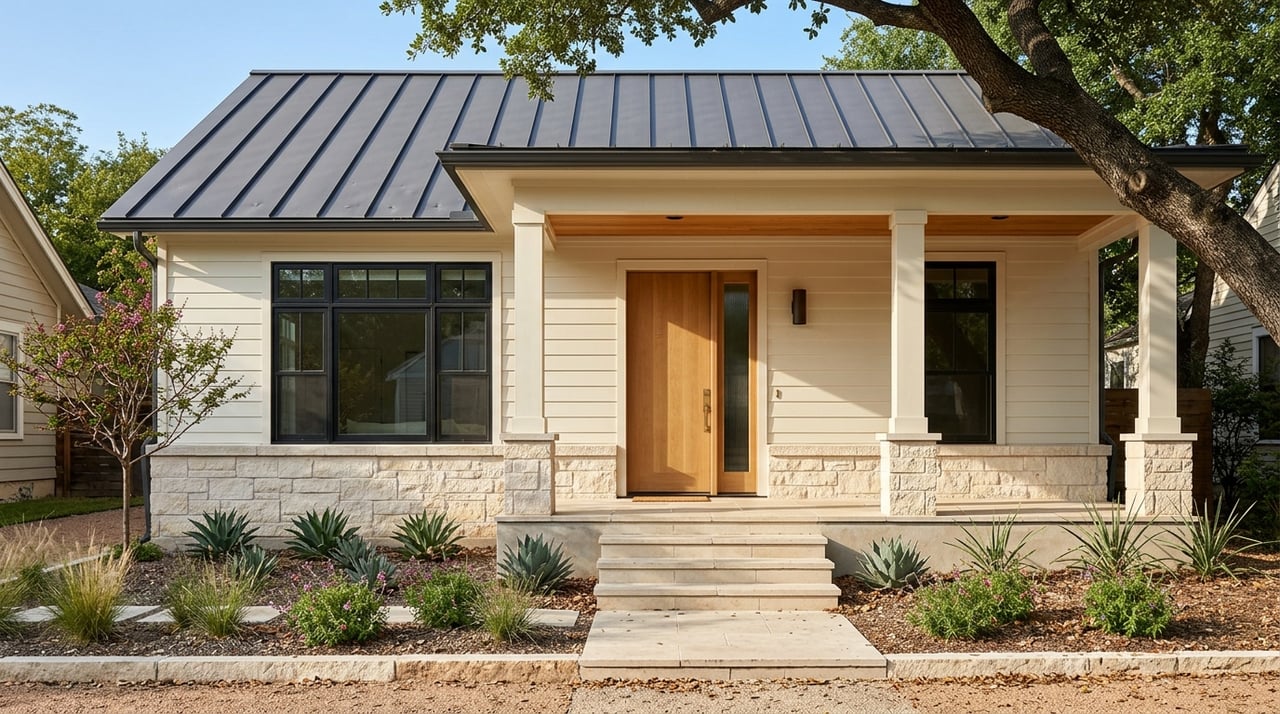
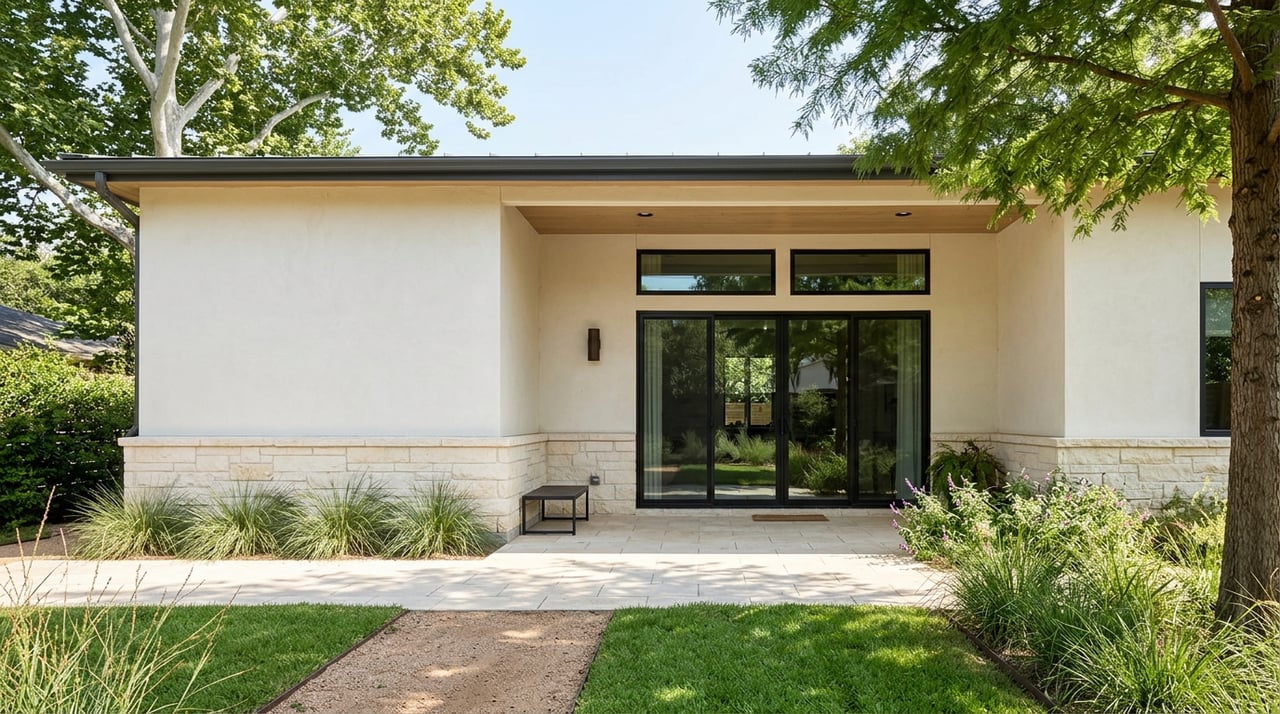
Cedar Park’s housing mix is still dominated by single-family homes. According to the city’s comprehensive plan, traditional single-family housing is expected to remain the predominant residential type, while townhomes and higher-density housing are concentrated in selected areas.
That matters if you are moving from out of town and wondering whether Cedar Park feels like a newer growth corridor or a more established suburb. The city describes itself as mostly built out, so many buyers today are choosing among established subdivisions, amenity-rich HOA communities, and select new-construction pockets rather than vast new development tracts.
In practical terms, that means your search will often come down to lifestyle priorities. You may be choosing between trail access, pool amenities, lot size, neighborhood layout, school district assignment, or proximity to parks and major roads.
Neighborhoods to Explore First
If you are just starting your Cedar Park search, a few communities can help you understand the city’s range of options. Each one offers a different feel, which can help you narrow what matters most.
Forest Oaks
Forest Oaks is a strong example of an established Cedar Park subdivision with built-in amenities. The HOA describes about 1,500 homes, diverse architectural styles, two pools, greenbelts, and direct access to the Cedar Park hike-and-bike trail system.
This neighborhood can appeal if you want a larger, mature community with a traditional suburban feel and easy outdoor access. The HOA also identifies nearby Leander ISD schools, which is another reason buyers often keep it on their shortlist.
Walsh Trails
Walsh Trails offers a useful contrast. The HOA says the subdivision includes approximately 400 single-family homes and is part of Round Rock ISD.
If you want an established neighborhood in Cedar Park with a smaller community footprint, this is one to know. It also serves as a reminder that school district assignment can shift from one neighborhood to another.
Westside at Buttercup Creek
Westside at Buttercup Creek reflects a more traditional HOA environment. It includes Westside at Buttercup Creek and Westside Preserve, and the HOA highlights pool operations, social events, and a neighborhood yard sale.
For buyers who like the idea of shared amenities and organized community activity, this area may be worth a closer look. It gives you a feel for the classic suburban side of Cedar Park.
Ranch at Brushy Creek
Ranch at Brushy Creek represents the newer-feeling side of Cedar Park’s housing mix. Located in the 78613 ZIP code near Austin, Cedar Park, and Round Rock, it is often associated with the Brushy Creek corridor.
This area can be appealing if you want a neighborhood layout that feels suburban but still connected to trails and newer master-planned design. It is a helpful example of how Cedar Park blends established roots with more recent development patterns.
Twin Creeks
Twin Creeks is one of the more lifestyle-driven options in the conversation. The club describes a community centered around a championship golf course, resort-style aquatics, a recreation center, clubhouse dining, social spaces, and club programming.
If amenities rank just as high as square footage on your list, Twin Creeks shows a different side of Cedar Park living. It can be especially relevant for buyers looking for a move-up home and a neighborhood with a broader lifestyle package.
How to Choose the Right Fit
With so many variables, it helps to narrow your search based on how you plan to live day to day. Cedar Park is not one-size-fits-all, and that is part of what makes it appealing.
As you compare neighborhoods, focus on a few practical questions:
- Do you want to prioritize park access and trails?
- Is a specific school district important to your move?
- Would you prefer an established subdivision or a newer-feeling community?
- Are HOA amenities like pools, events, or club features part of your ideal setup?
- How important is proximity to major commuter routes or Austin access?
When you answer those questions first, the home search usually becomes much clearer. Instead of trying to see everything, you can focus on the parts of Cedar Park that best match your routine, budget, and long-term goals.
A Smart Way to Start Your Cedar Park Search
Cedar Park offers a compelling mix of single-family housing, extensive parks, multiple school-district possibilities, and everyday amenities that make suburban life feel convenient and connected. Whether you are relocating to the Austin area or simply moving within the region, the city gives you several ways to find a neighborhood that fits how you want to live.
If you want help comparing Cedar Park neighborhoods, understanding address-specific school zoning, or narrowing your options based on lifestyle and budget, connect with KHG Development Corp, DBA The Kelvin Glover Team. You will get local guidance, clear communication, and a team that knows how to make your move feel more manageable from start to finish.
FAQs
Which school districts serve homes in Cedar Park?
- Cedar Park includes homes in more than one district, including Leander ISD in many areas and Round Rock ISD in some neighborhoods, so you should verify school assignment by exact address.
What parks are popular for families in Cedar Park?
- Popular options include Brushy Creek Sports Park, Bell Park, Lakeline Park, Milburn Park, and Veterans Memorial Park because they offer trails, playscapes, sports space, and aquatic amenities.
What types of homes are most common in Cedar Park?
- Cedar Park is still mostly made up of single-family homes, with townhomes and higher-density housing concentrated in selected areas.
What Cedar Park neighborhoods should buyers explore first?
- A few strong starting points are Forest Oaks, Walsh Trails, Westside at Buttercup Creek, Ranch at Brushy Creek, and Twin Creeks, since each shows a different side of Cedar Park living.
Is Cedar Park a good option for Austin-area relocation?
- Cedar Park can be a strong relocation option if you want suburban housing, robust parks and recreation, and a location about 17 miles from downtown Austin.